Korowai: what they mean, the colours, and the moments they're worn for
A korowai placed on someone's shoulders says: we see how far you've come. This guide covers where these cloaks come from, what the feathers and colours have meant, and how whānau wear and give them today, from graduations and 21sts to weddings and a baby's first big day.
What is a korowai?
Kākahu (cloaks) were woven in many styles. Te Ara, the Encyclopedia of New Zealand, lists the korowai hukahuka, a cloak adorned with hukahuka (tassels or fringing), and the korowai kārure, adorned with a three-ply tag called kārure, alongside the kahu huruhuru, a cloak with bird feathers added, often arranged by colour into striking patterns.
These were finger-woven without looms, and a fine kākahu could take a skilled weaver several years to finish. They were treasured, and could even be exchanged for other prestigious things such as a war canoe.
Today many people use the word korowai for any cloak of honour, feathered ones included. That's how we use it in our shop too.
Feathers and colours: what they have meant
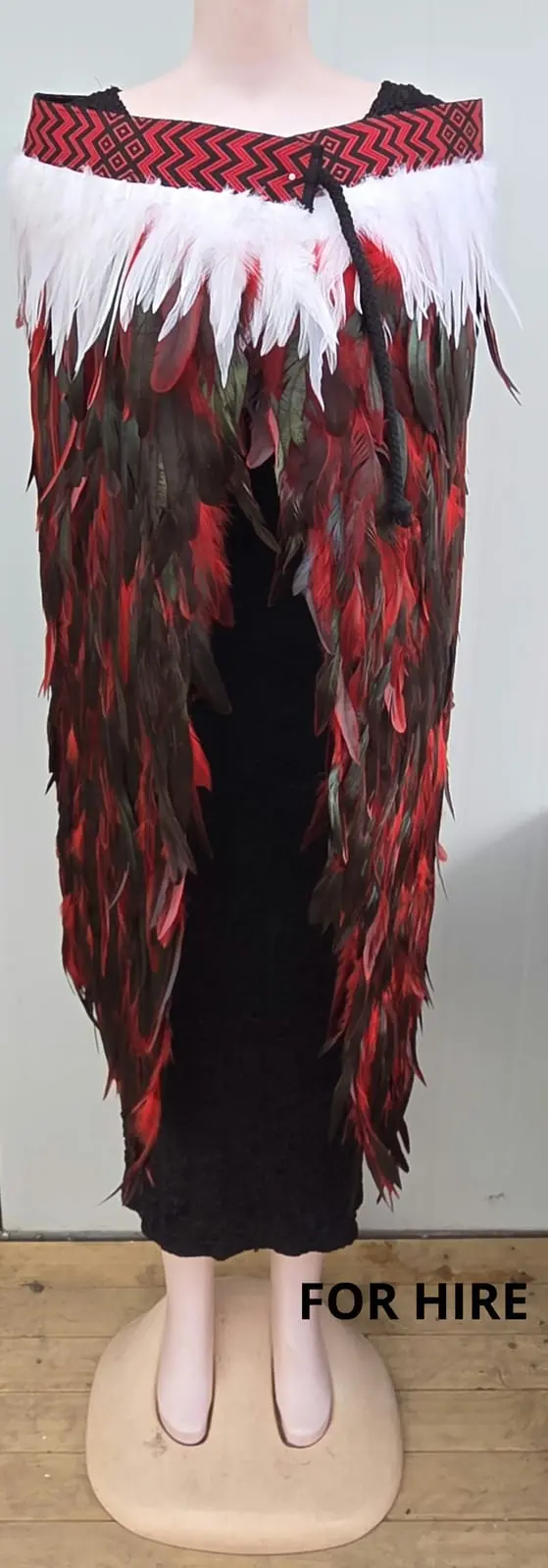
The full-feather cloak flourished from the second half of the 19th century and became the most prestigious cloak of all, according to Te Ara. Red kākā-feather cloaks were especially prized: throughout the Pacific, red symbolised power, sacredness and prestige, and the feathers themselves stood for warmth and protection as well as beauty.
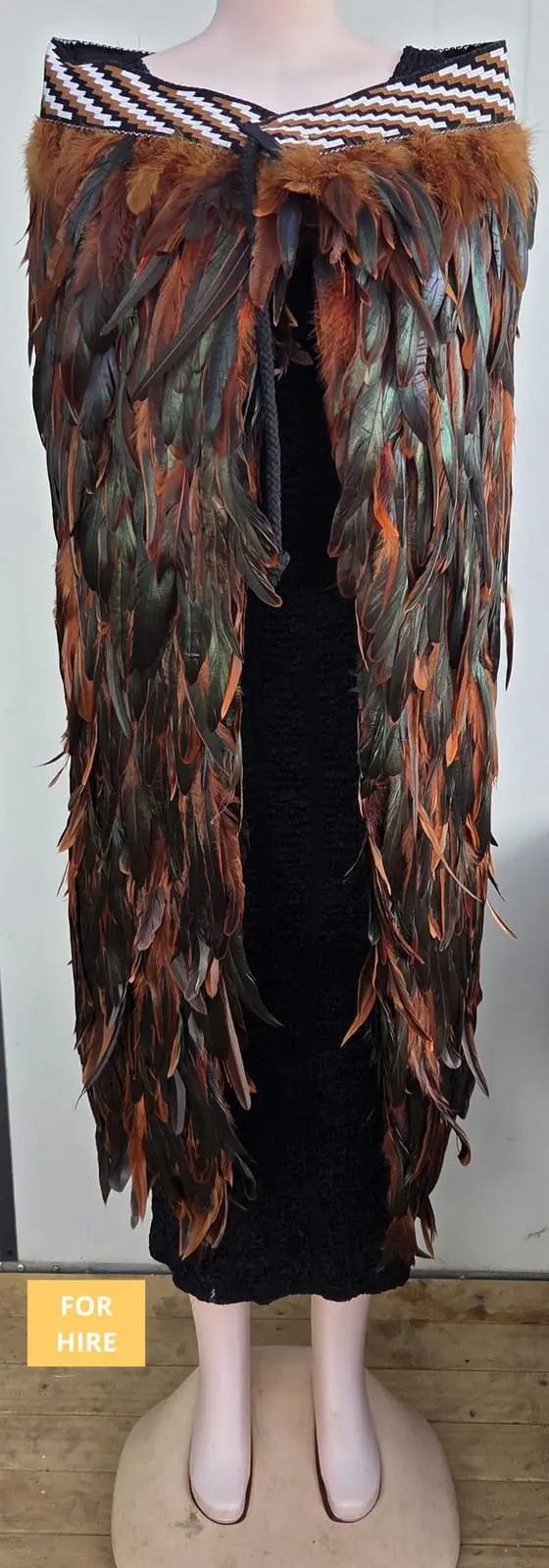
Feathers from many native birds were used, including kiwi, kererū, tūī, kākāriki and toroa, giving weavers bold blocks of colour and geometric patterns to work with. Later cloaks also used feathers from introduced birds, in endless multi-coloured designs.
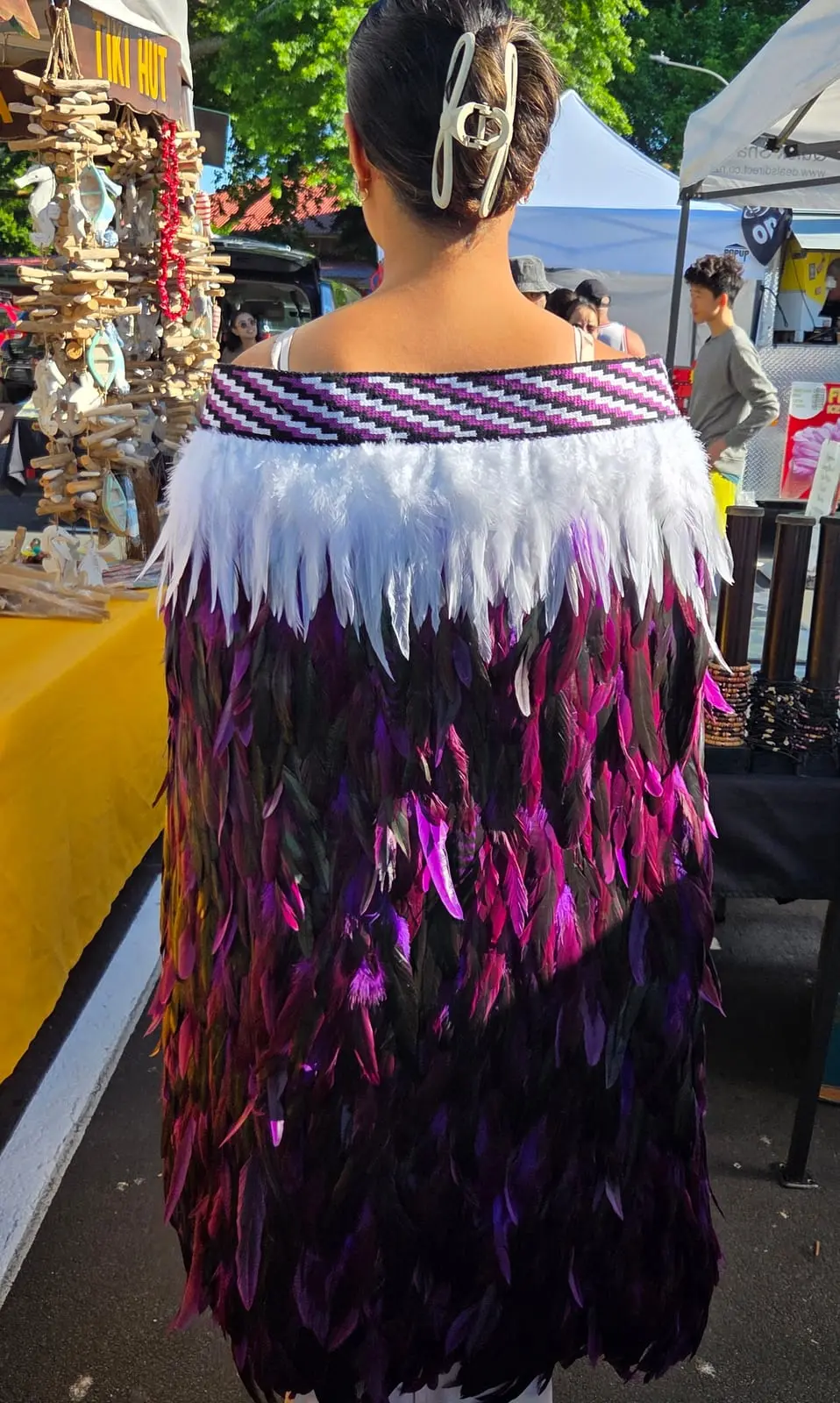
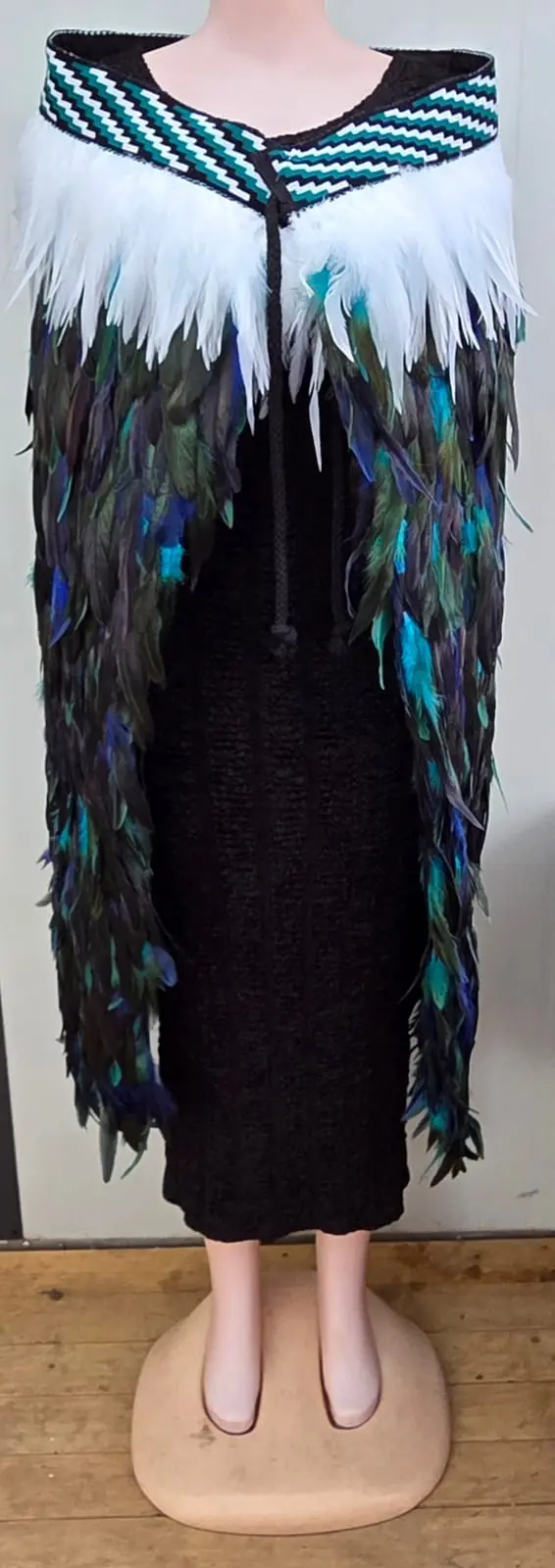
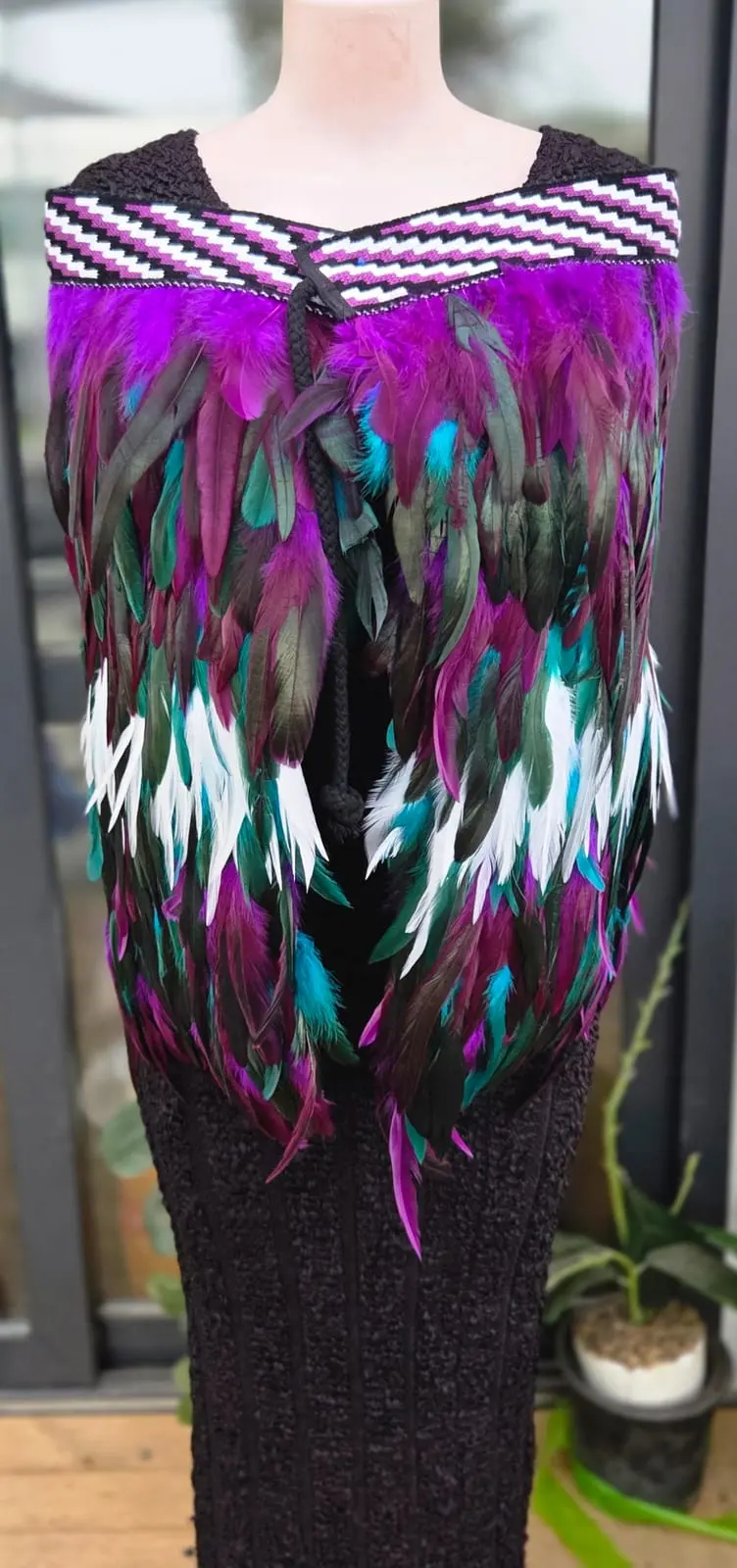
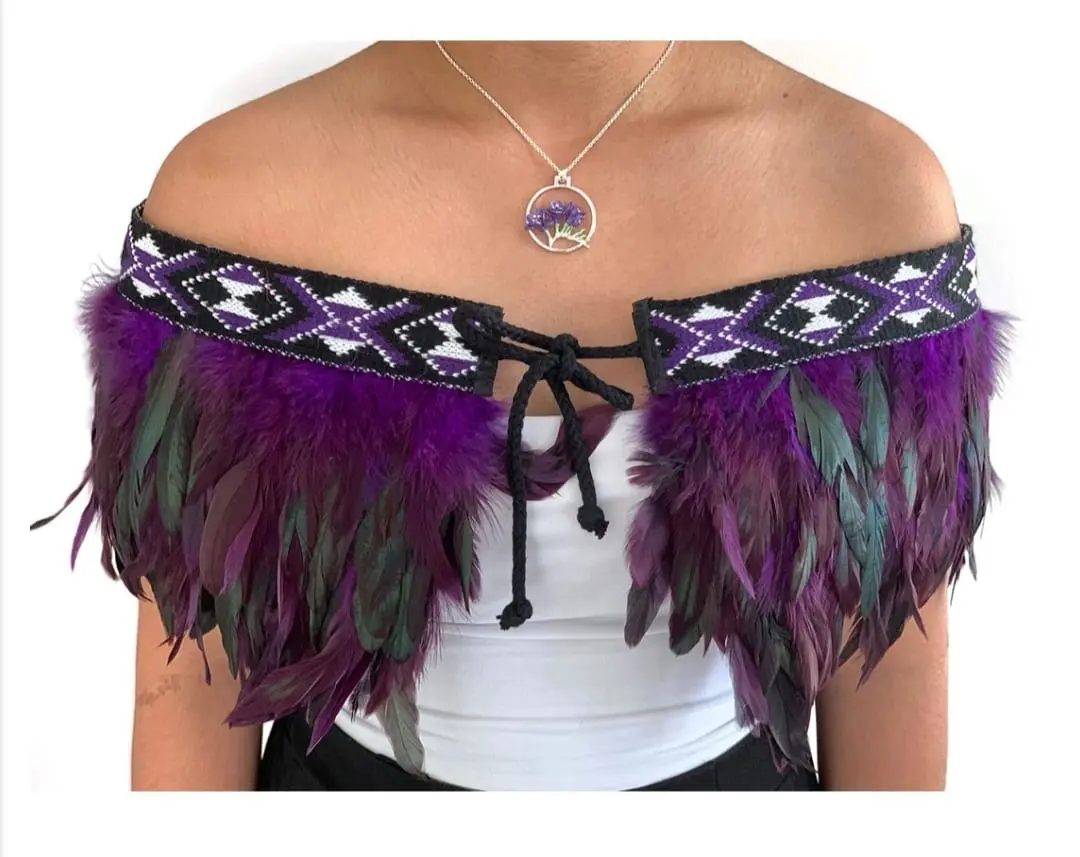
There isn't one fixed meaning for each colour. Families often choose colours for what they mean to them: their iwi or family colours, a bird or place they love, or simply the colour that suits the person. Many of our korowai are named for taonga of Aotearoa, like the tūī, pāua and pōhutukawa. Our Tāne Mahuta korowai takes its colours and design from the sacred kauri, and our purple korowai is designed with colours to invoke spiritual guidance.
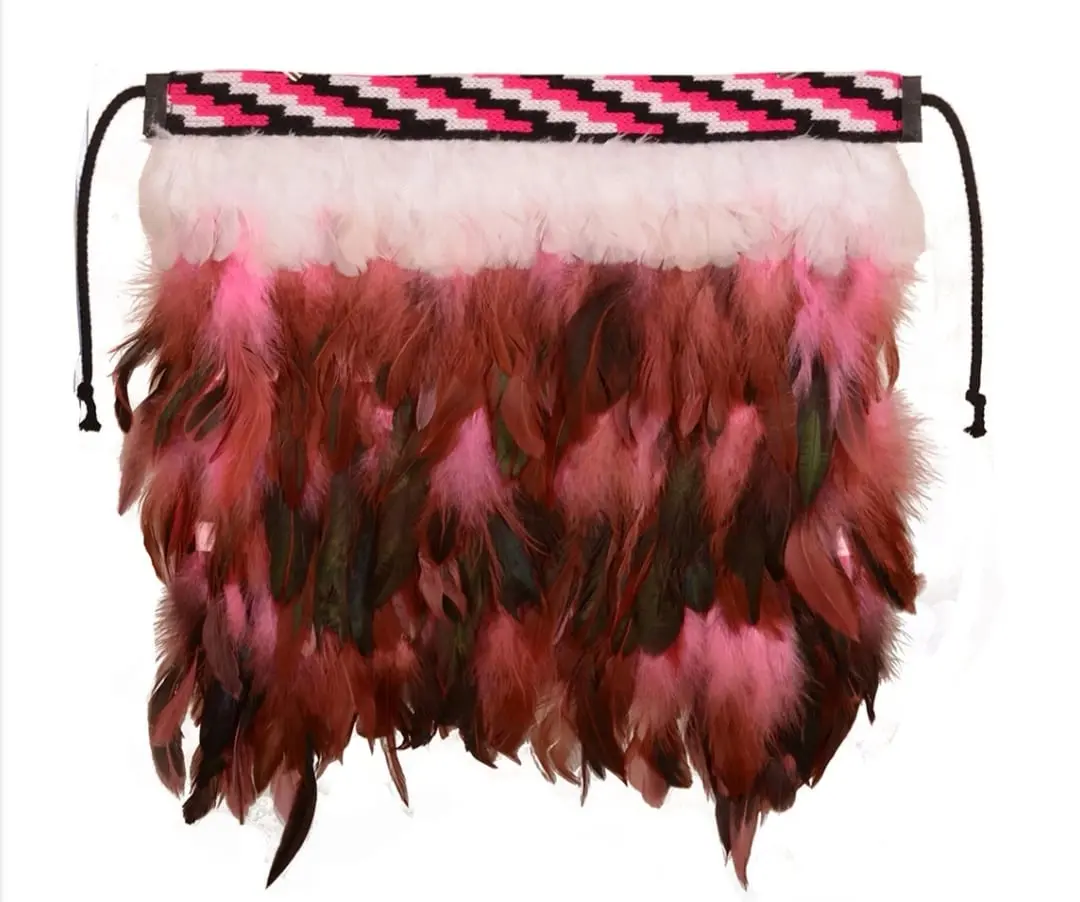
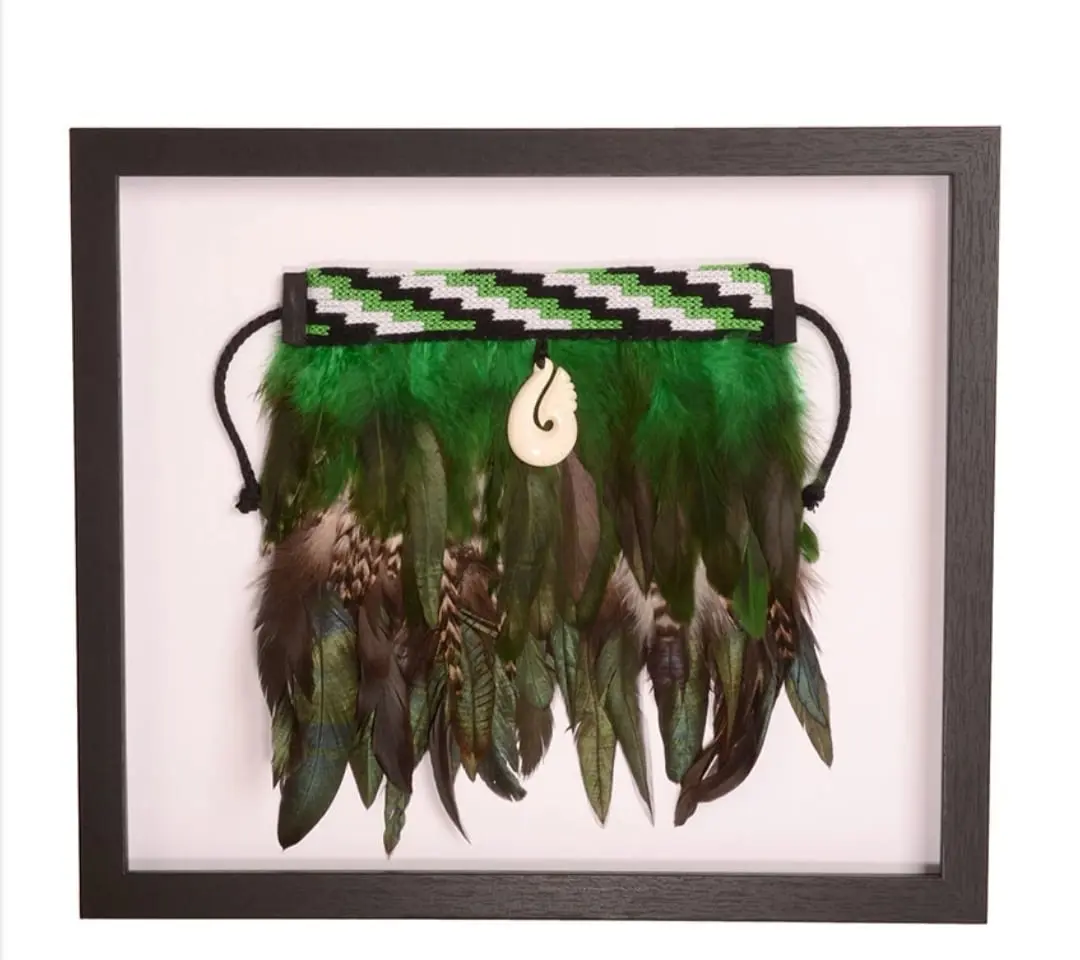
Many korowai also carry a woven band with its own meaning. The poutama, a step-like pattern on several of ours, stands for levels of attainment and advancement: the staircase Tāne climbed to bring back the three baskets of knowledge.
Korowai for the moments that matter
Making cloaks to mark special occasions, or as gifts for distinguished people, is a tradition that continues today. Since 2004 the flagbearer for New Zealand at the Olympic Games has worn a cloak named Te Mahutonga (the Southern Cross).
Graduation is where most families see a korowai. The University of Otago says korowai and equivalent ceremonial garments may be worn with academic dress, and Te Whare Wānanga o Awanuiārangi says korowai are worn over the gown, under the hood or stole. Check your own institution's guidance before the day.
Cloaks are worn at significant hui and gatherings, graduations, birthdays and tangi. They hold the stories of whānau and whakapapa, and are worn with the highest respect. Families choose a korowai for a 21st, a wedding, a milestone birthday, and for babies and little ones at their own big moments: honouring the person and the journey that brought them here.
Our korowai, and how to choose
Ours are contemporary korowai, handmade in Auckland: feathers are machine-stitched onto a lined fabric base and finished with a New Zealand wool tāniko trim. They're distinct from traditional handwoven cloaks. Most are made to order, so allow around 3 weeks before your date.
Full korowai (from 1 m x 1 m) are the statement piece for a graduation, wedding or milestone. Half-length korowai (50 cm long) are lighter to wear. Capes (from 105 cm wide) are popular for evening wear and bridesmaids. Baby korowai (32 cm x 32 cm, real dyed feathers, fully lined) are made for the littlest members of the whānau, and framed and canvas korowai hang on the wall as a keepsake. See them all in our korowai collection.
Good to know
Questions people ask
What is the difference between a korowai and a kahu huruhuru?
Strictly, a korowai is a cloak decorated with tassels or fringing, and a kahu huruhuru is a cloak with bird feathers added (Te Ara). Today many people call any cloak of honour a korowai, feathered ones included.
Can I wear a korowai to graduation?
Many New Zealand institutions welcome korowai with academic dress, including the University of Otago and Awanuiārangi (worn over the gown, under the hood or stole). Check your institution's guidance, and order early: most of our korowai are made to order in around 3 weeks.
Do korowai colours have set meanings?
Not one fixed meaning per colour. Red was especially prized across the Pacific as a colour of power, sacredness and prestige (Te Ara). Most families choose colours that mean something to them: iwi or family colours, a favourite bird or place, or the person's own taste.
How long does a korowai take to make?
Our contemporary korowai are mostly made to order, so allow around 3 weeks. Traditional handwoven cloaks are a different art: a fine one could take a skilled weaver years.
Sources
- Te Ara: Māori weaving and tukutuku, Kākahu – woven cloaks
- Te Ara: Māori clothing and adornment, Ngā pueru – prestige garments
- University of Otago: academic dress and regalia
- Te Whare Wānanga o Awanuiārangi: academic regalia
- Something Kiwi product pages: our korowai (sizes, materials, design meanings)