Pounamu shapes and their meanings
Pounamu is worn to carry something with you: a person, a place, a moment. Here's what pounamu is, where it comes from, and what each of the best-known shapes has meant, so you can choose a piece that fits the person you're giving it to.
What is pounamu?
Pounamu, greenstone and New Zealand jade are all names for the same hard, highly valued stone. Pounamu is the traditional Māori name. It's found only in the South Island, which was first named Te Wāhi Pounamu (the place of pounamu), a name that became Te Wai Pounamu (the greenstone waters).
Māori recognised four main types by colour and translucence: kawakawa, kahurangi, īnanga and tangiwai. In the 1870s Te Otatu of Coromandel said, "My only treasure is the pounamu" (Kati ano taku taonga nui i te pounamu).
There are many tribal traditions about its origins. In one, told by Tipene O'Regan of Ngāi Tahu, the taniwha Poutini turned Waitaiki into pounamu and laid her in the bed of the Arahura River, which has been a treasured source of pounamu ever since.
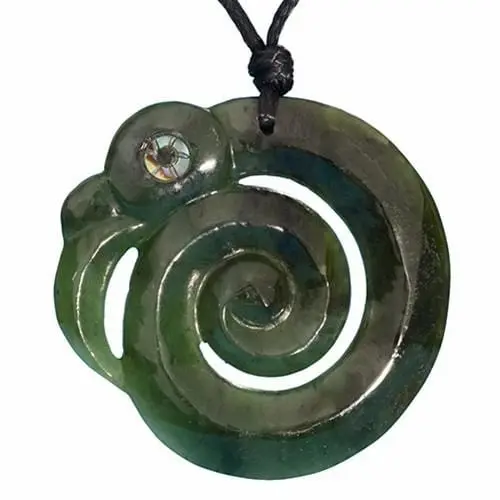
Koru: new life and growth
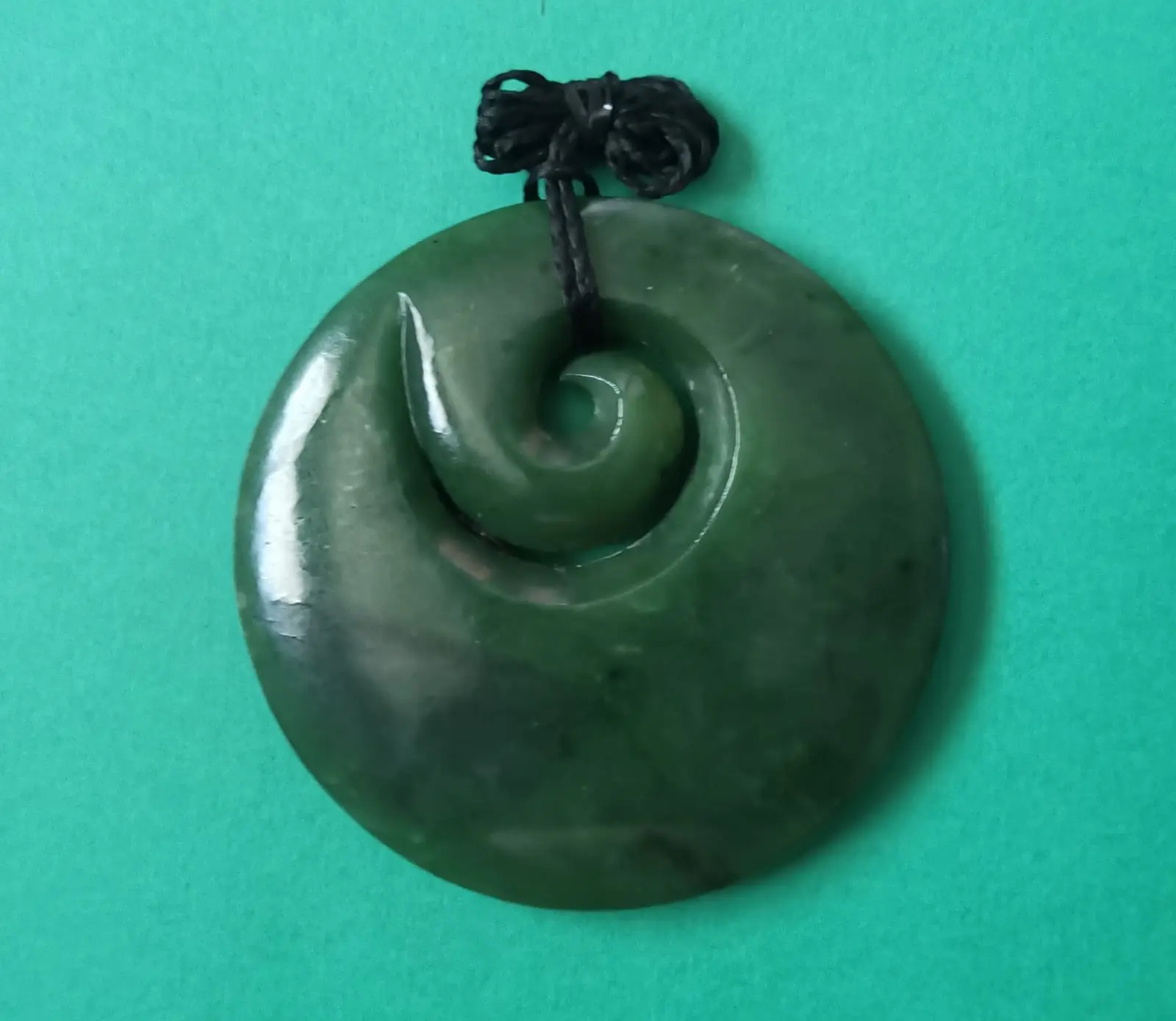
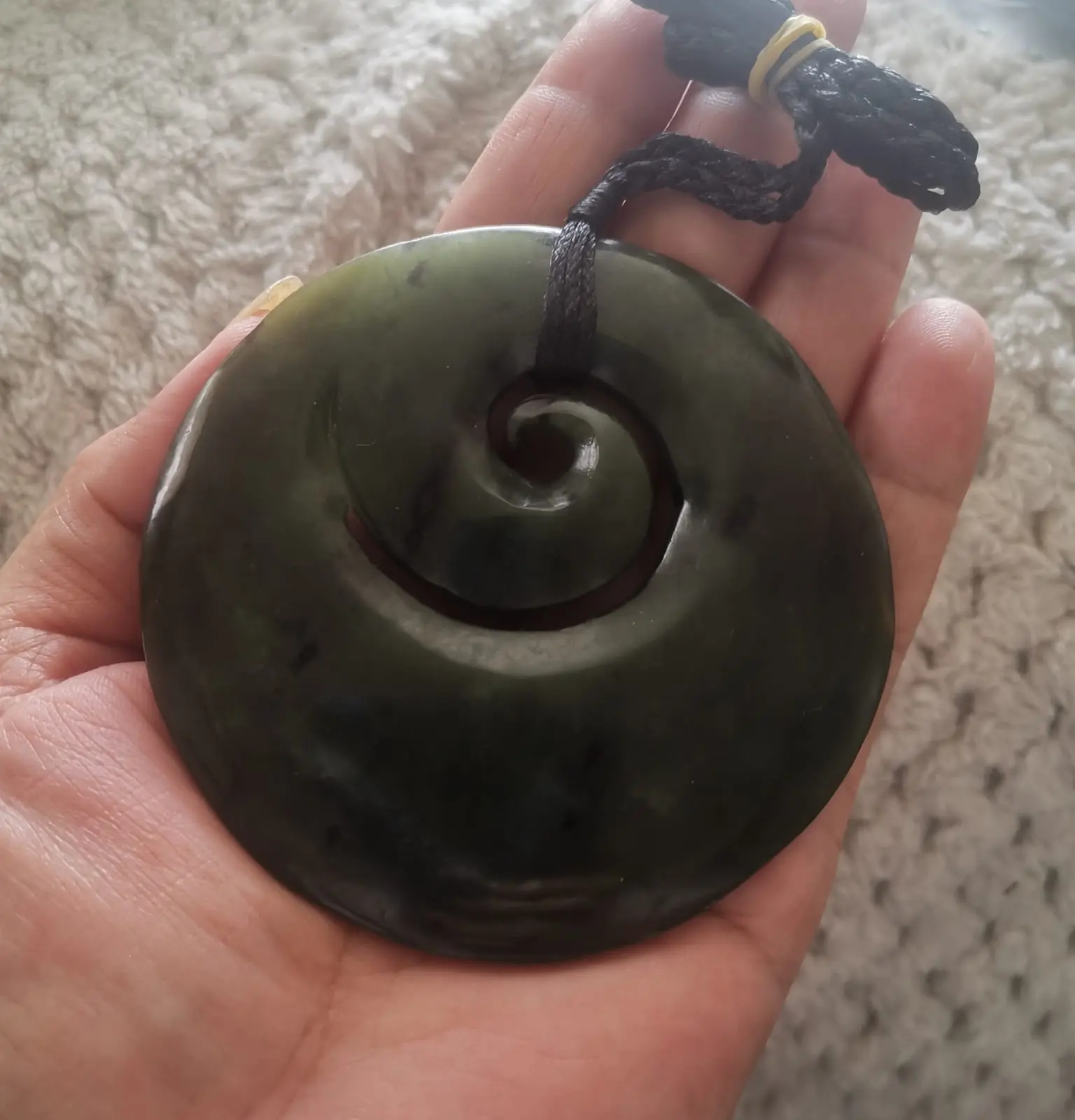
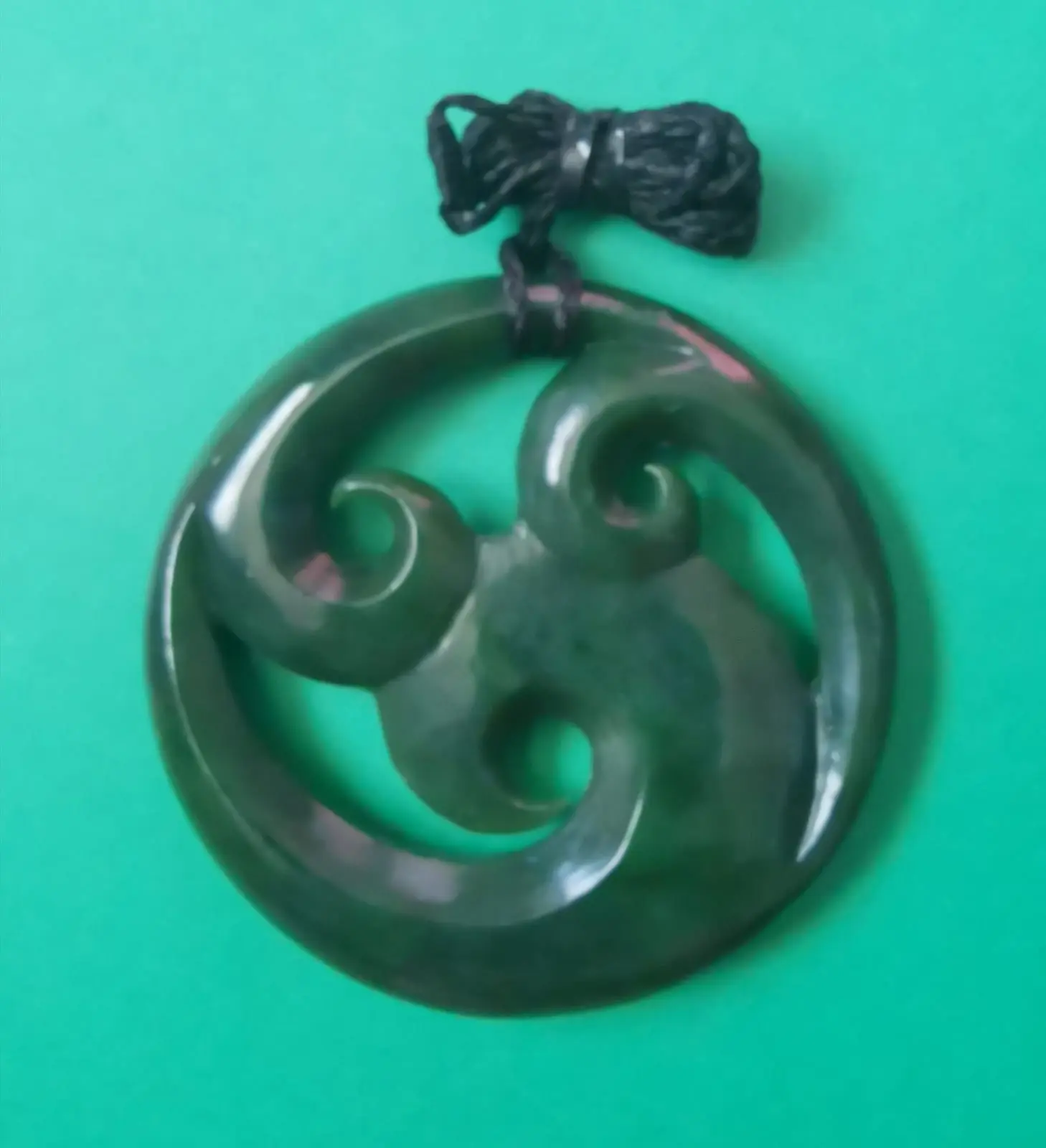
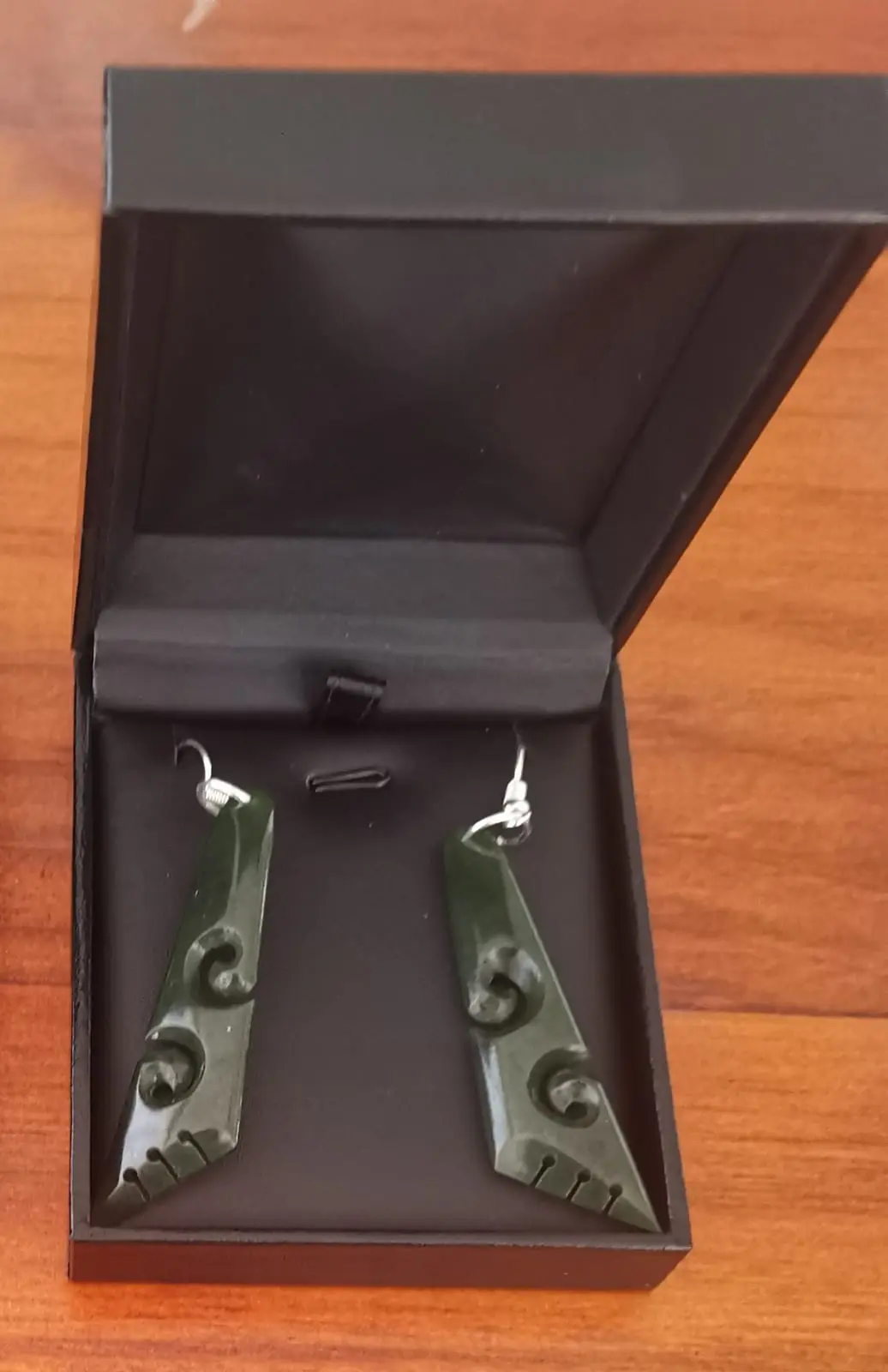
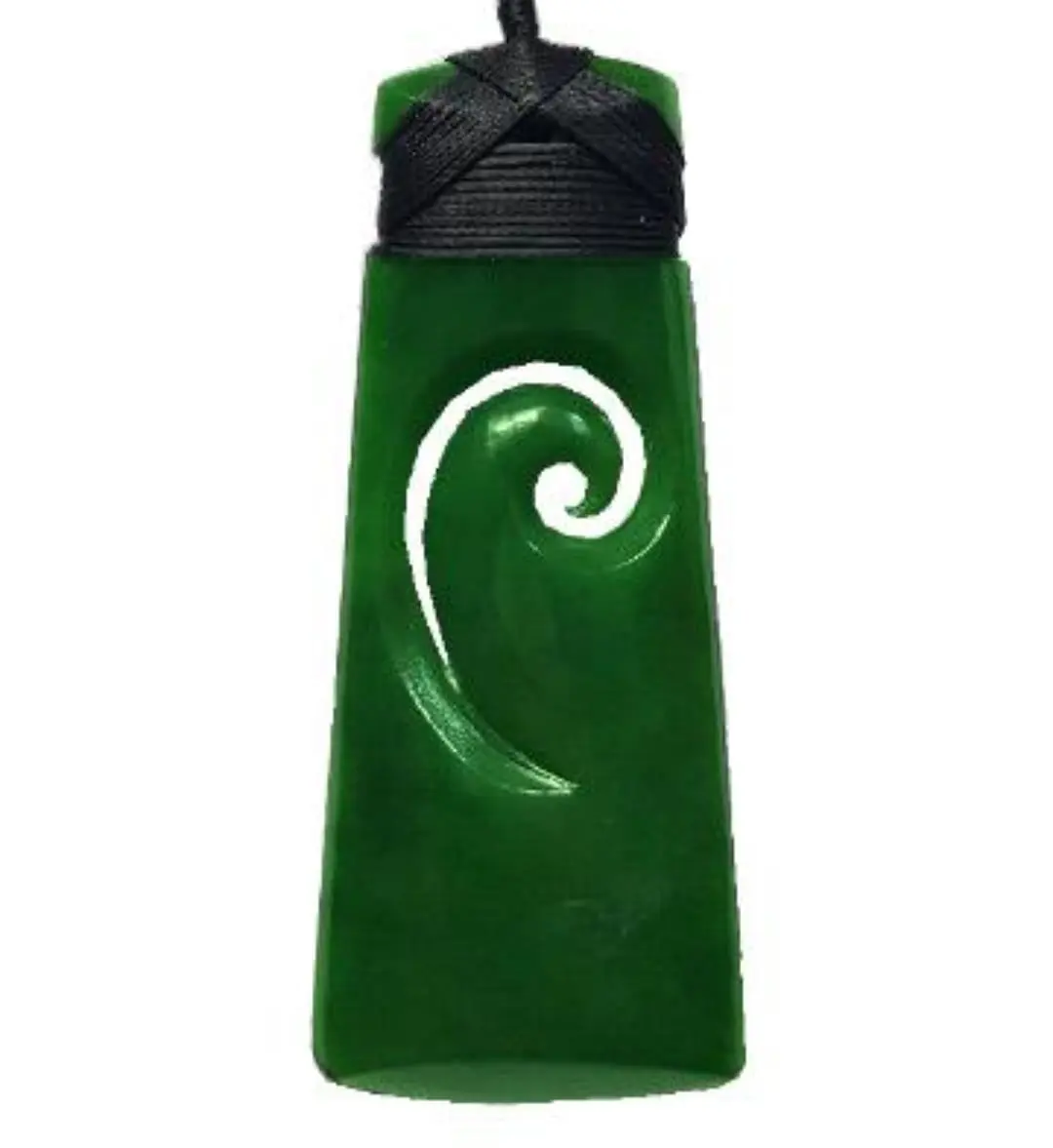
The koru is based on the unfurling fern frond and is often used in Māori art as a symbol of creation. Te Ara explains that its circular shape conveys perpetual movement and its inward coil a return to the point of origin, so the koru stands for the way life both changes and stays the same. It's a natural gift for a new beginning: a baby, a new home, a new chapter.
Toki: strength and authority
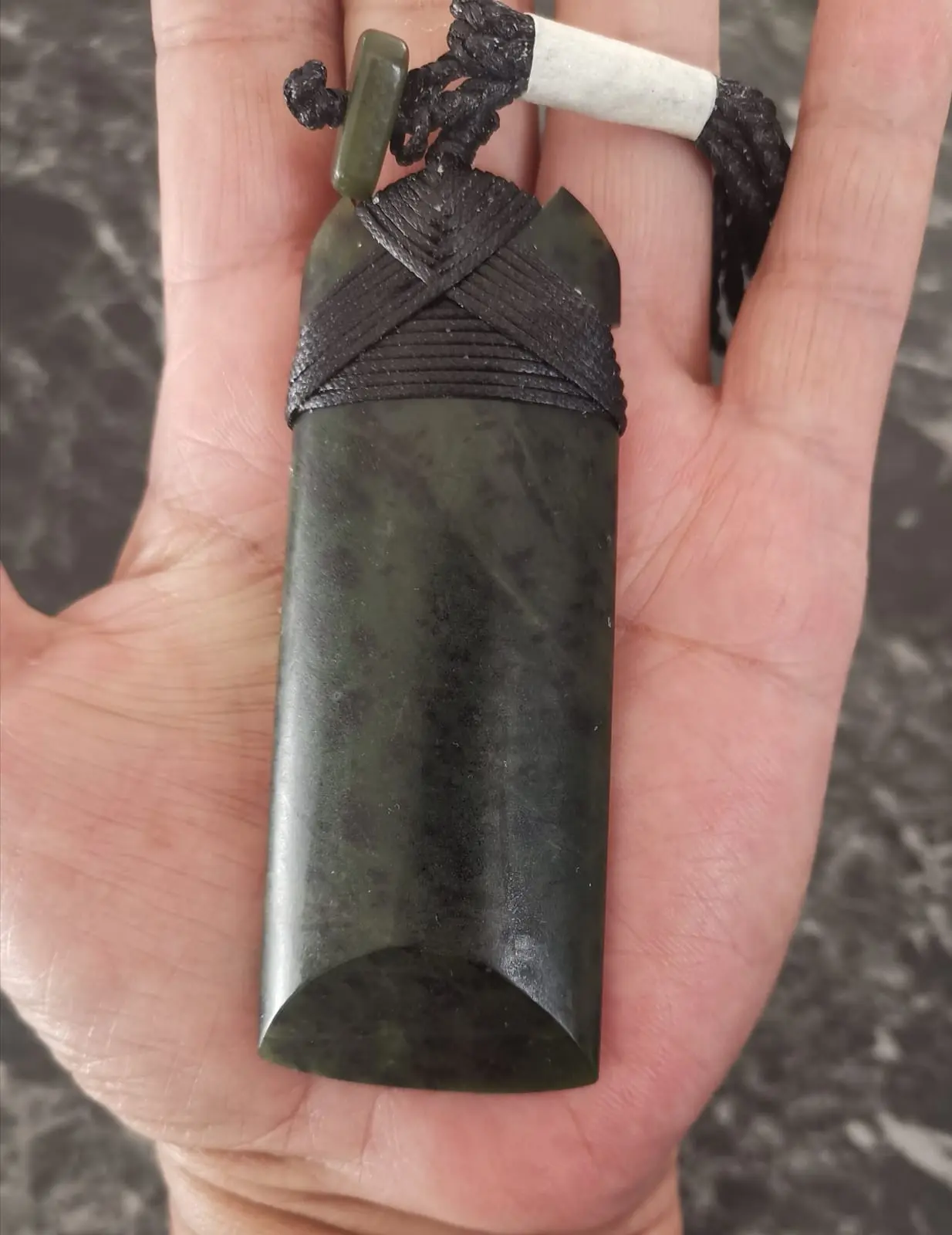
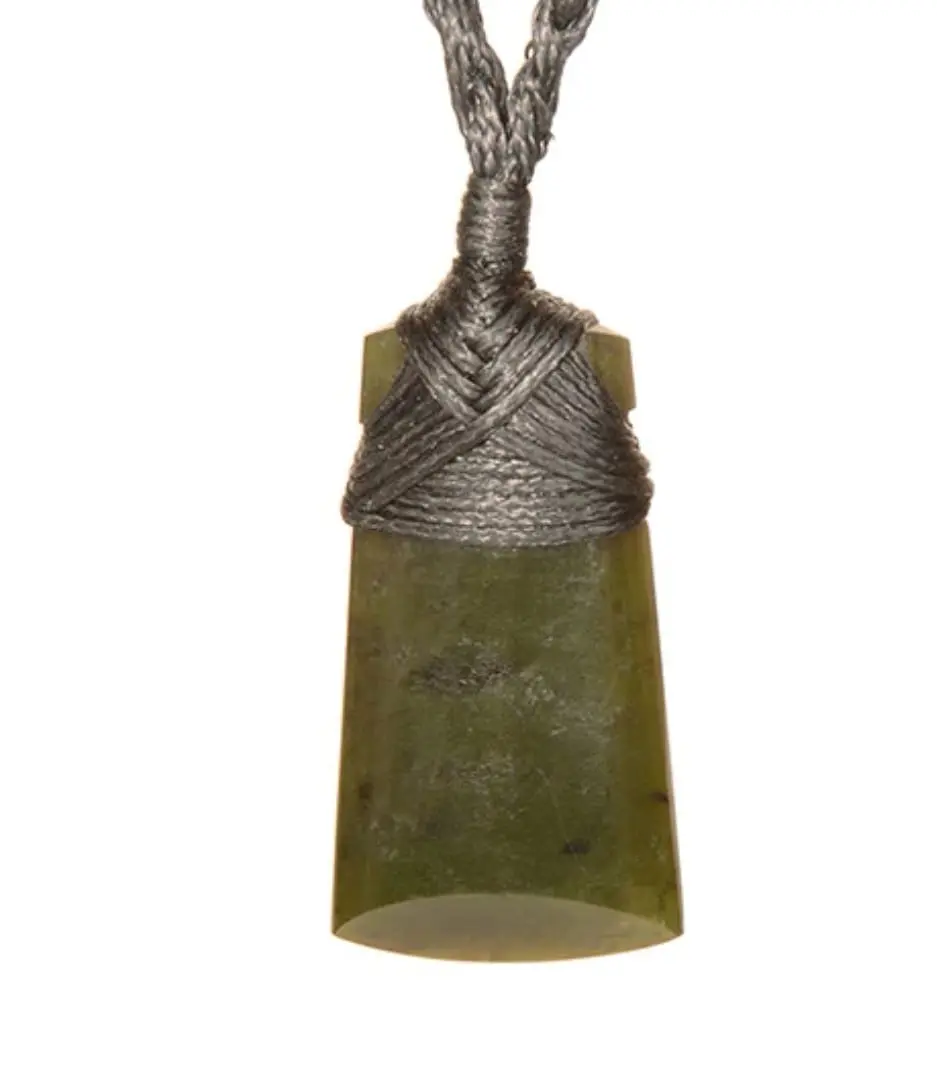
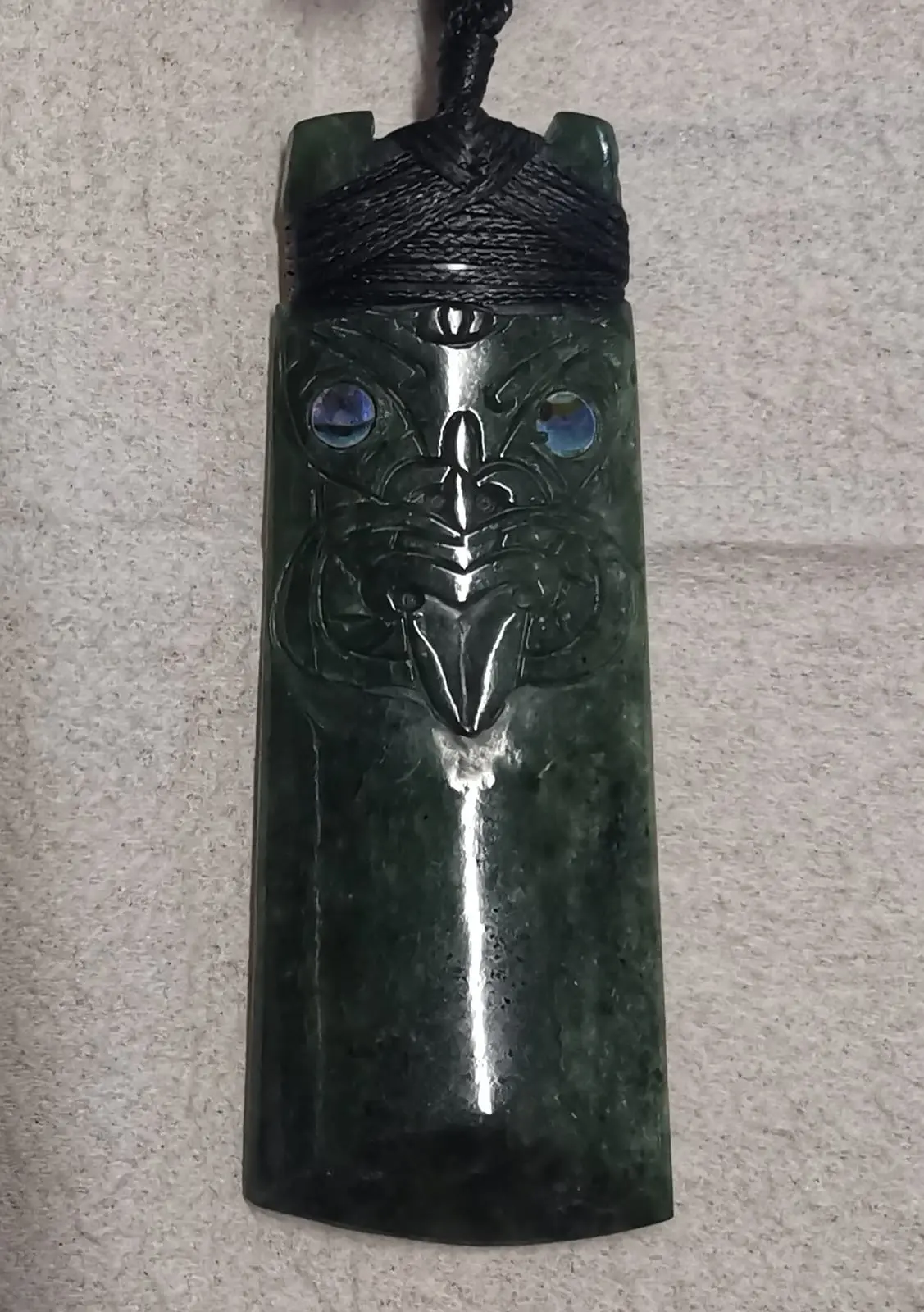
The toki (adze) was the tool that built canoes, felled trees and raised houses. One tradition holds that the adzes that shaped many of the voyaging canoes were made from pounamu. The toki poutangata, a ceremonial adze, was carried by chiefs as a symbol of their authority.
That's why a toki pendant suits someone stepping up: a graduate, a 21st, a new job or a new role in the whānau.
Hei tiki: the best-known taonga
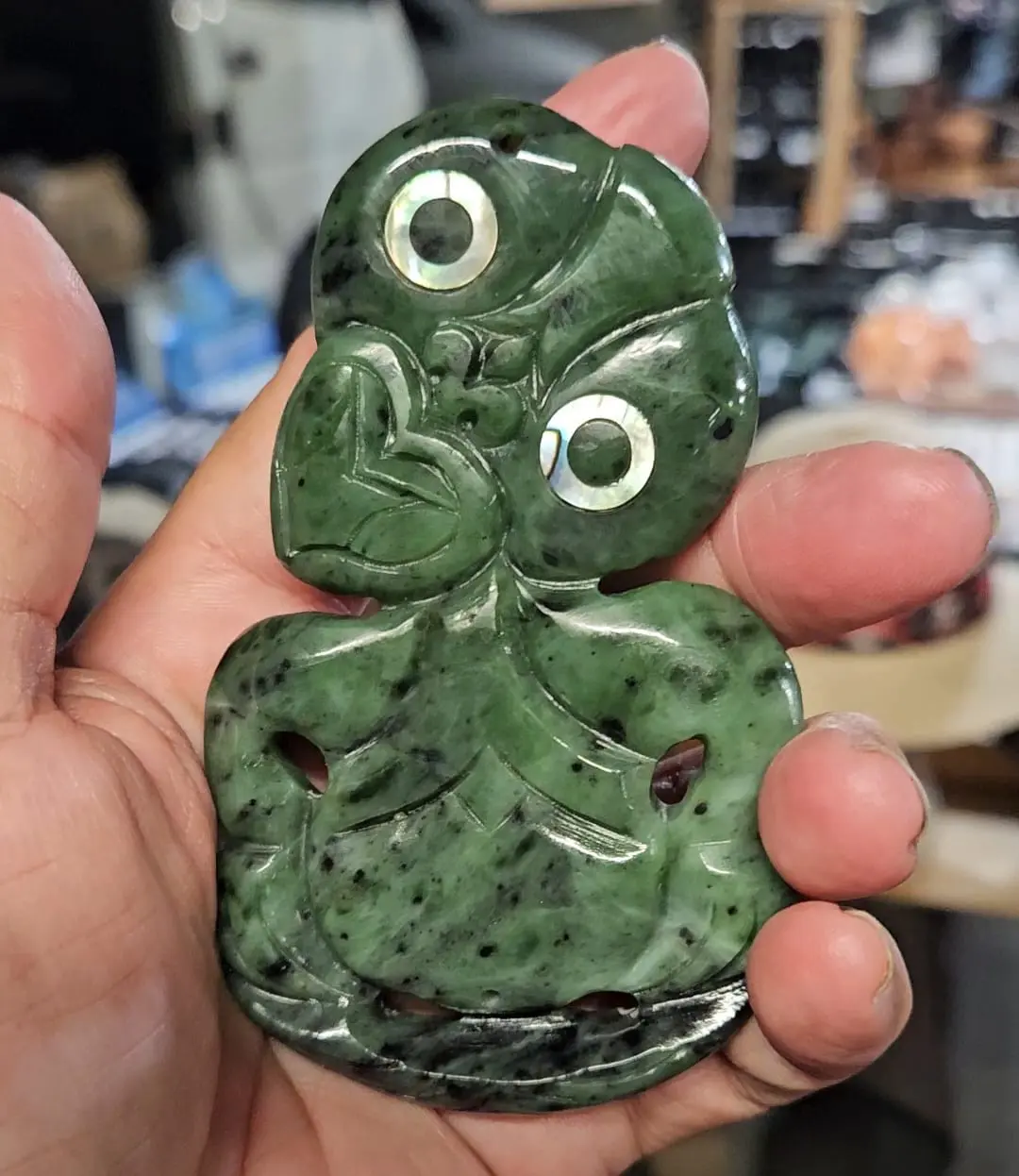
The hei tiki is the most well-known piece of Māori jewellery: a human figure, sitting cross-legged with its large head tilted to one side. Te Ara notes that hei tiki were usually worn by women, and that there are stories of women who had been unable to have children giving birth after being gifted a hei tiki.
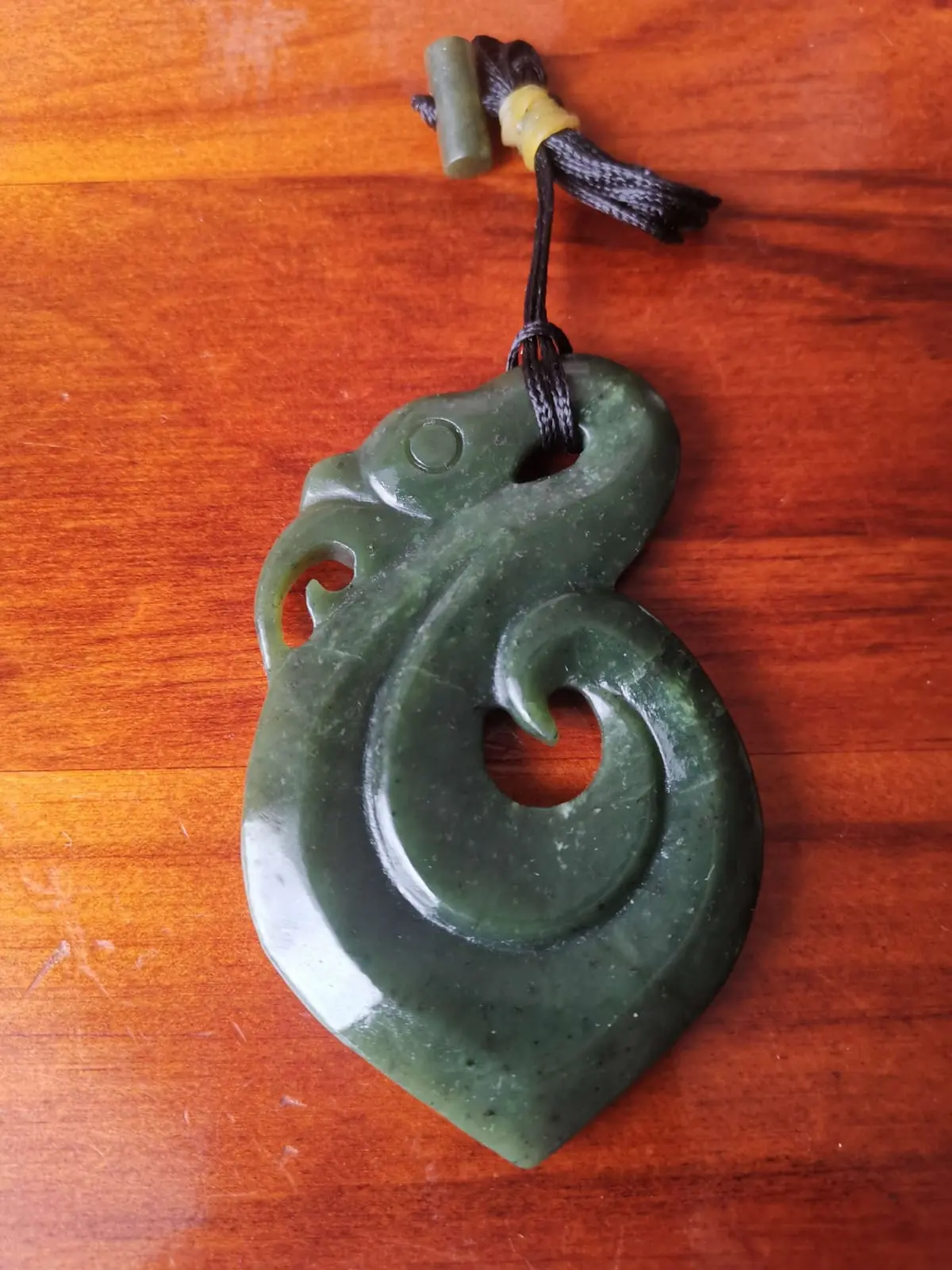
Hei matau: the fish hook
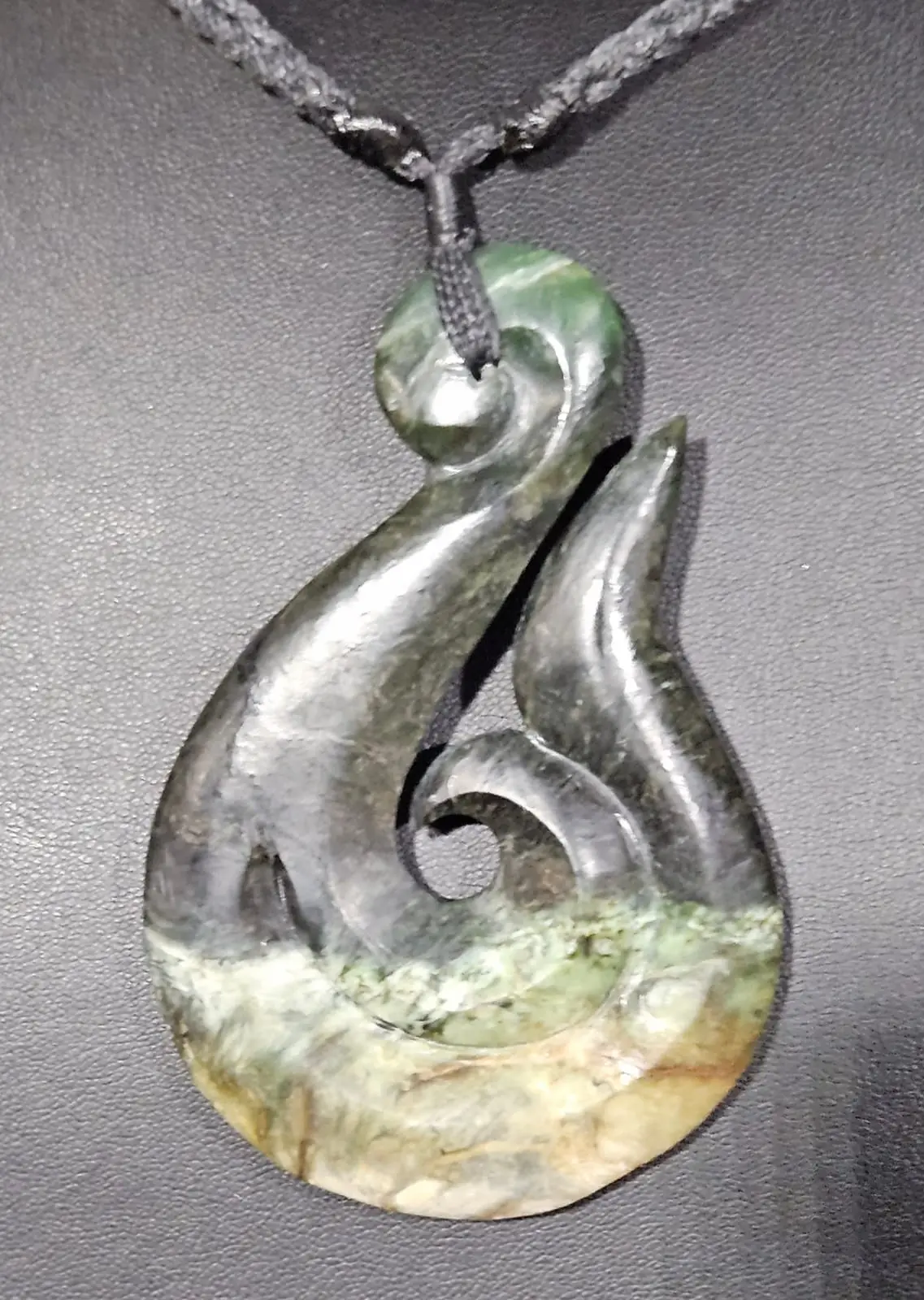
Hei means an ornament for the neck and matau a fish hook. Te Papa describes hei matau as linked to Māui, who in tradition fished up the North Island, Te Ika-a-Māui, and to the importance of fishing and the sea (Tangaroa). It's a taonga often chosen for someone who travels, lives by the water, or is heading overseas.
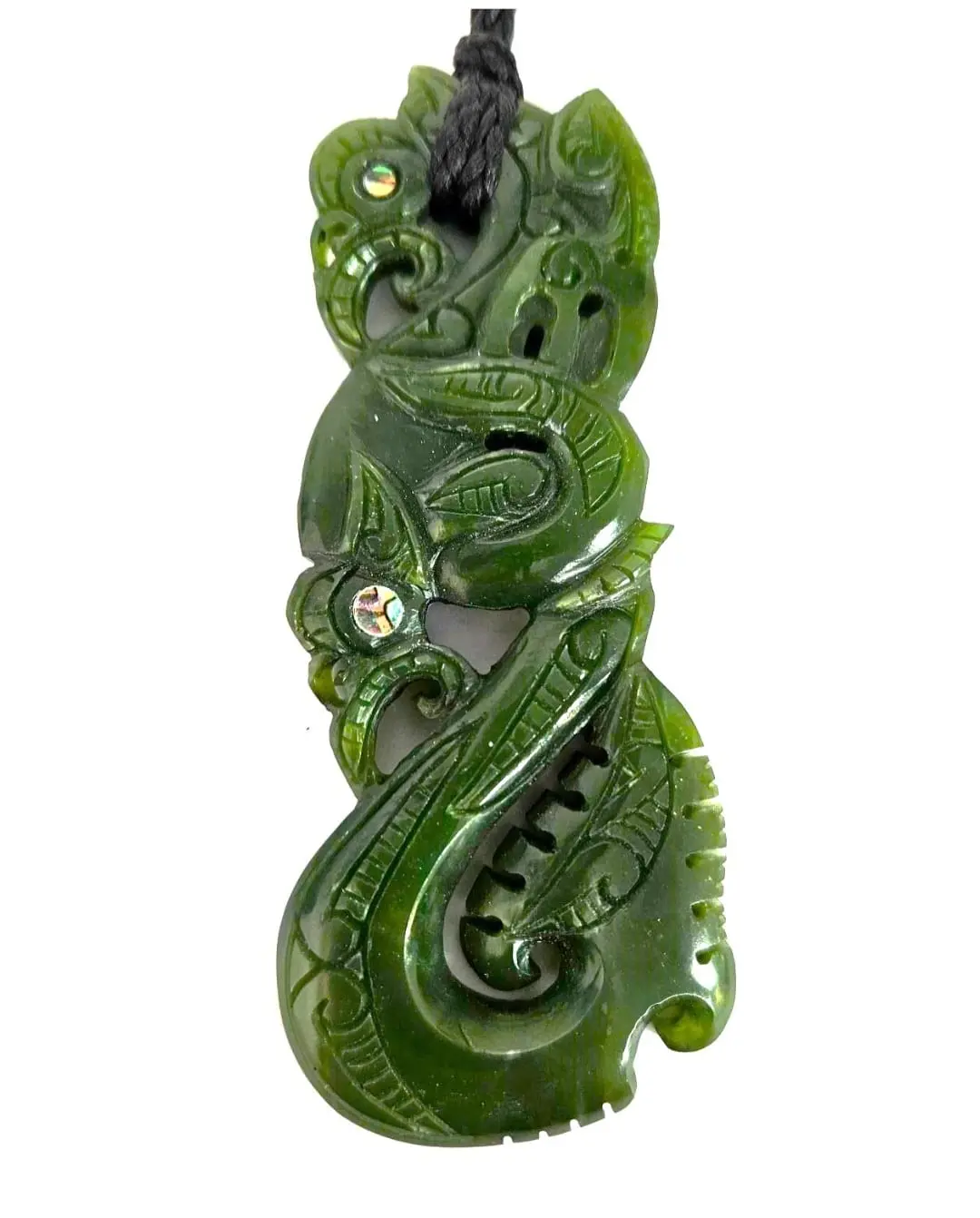
Manaia: the guardian
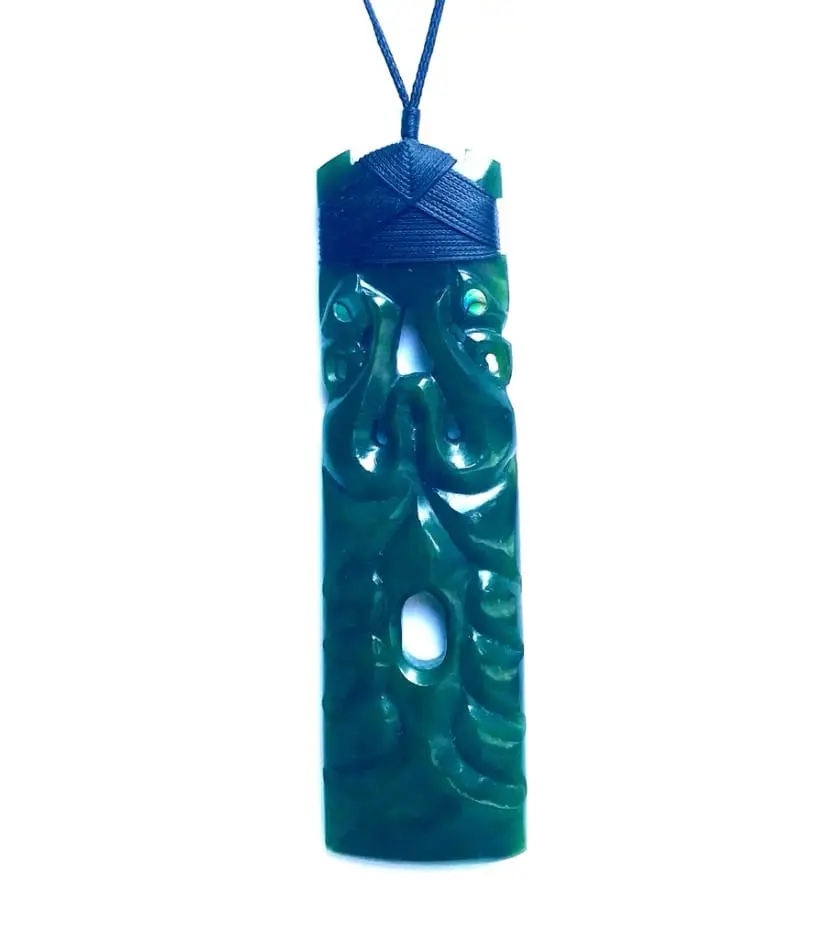
The manaia is a stylised figure, often shown with a bird-like head, and carvers today commonly describe it as a guardian. Te Ara's 1966 encyclopedia notes its form has long been debated: a bird-headed figure, a bird, a serpent, or a human in profile.
Pounamu as a bond
Pounamu has long sealed lasting bonds. Te Ara describes the tatau pounamu (greenstone door), a peace between peoples, where the enduring nature of pounamu stood for the permanence of the agreement. Today, Te Ara notes, many young New Zealanders overseas can be recognised by their pounamu pendants: a piece of home they carry with them.
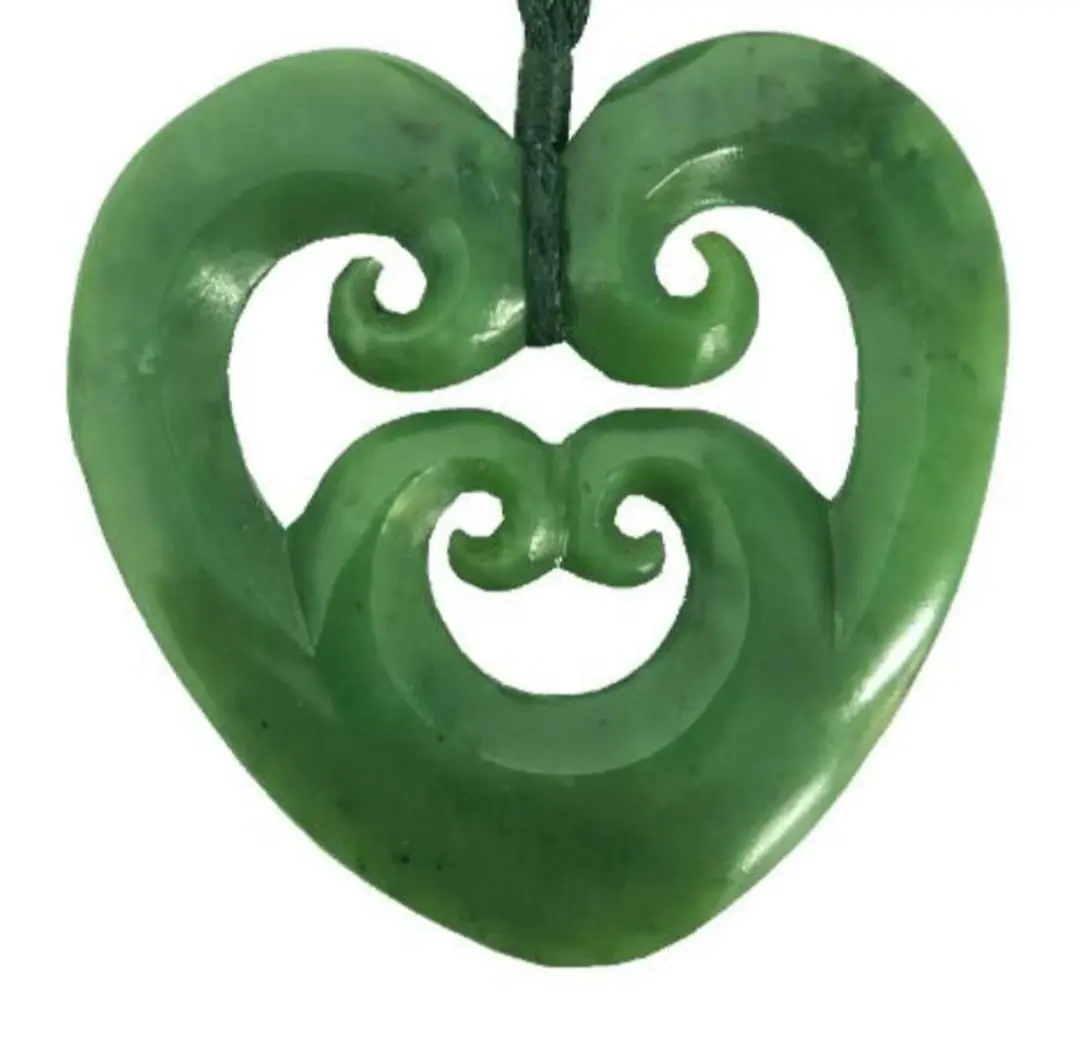
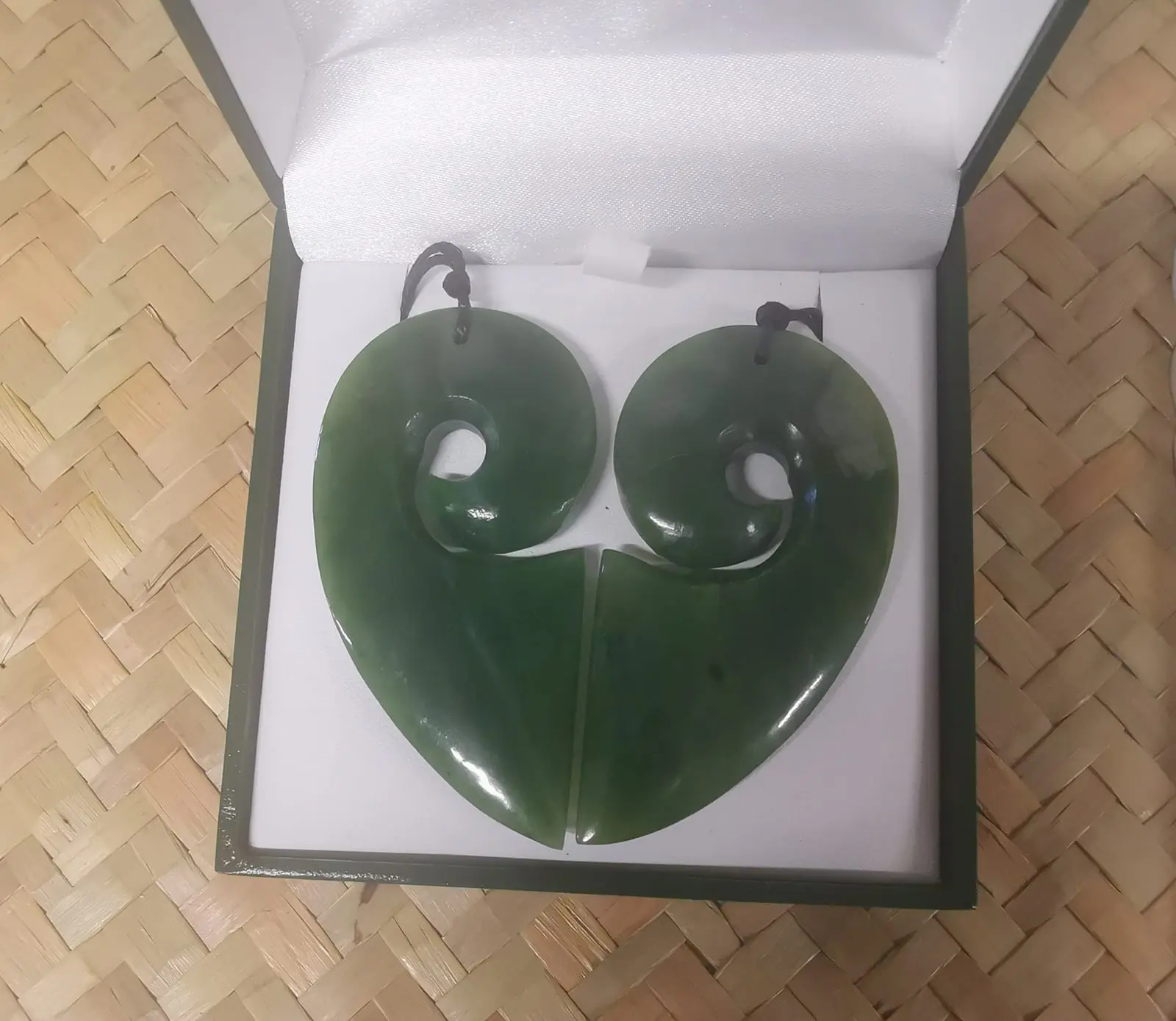
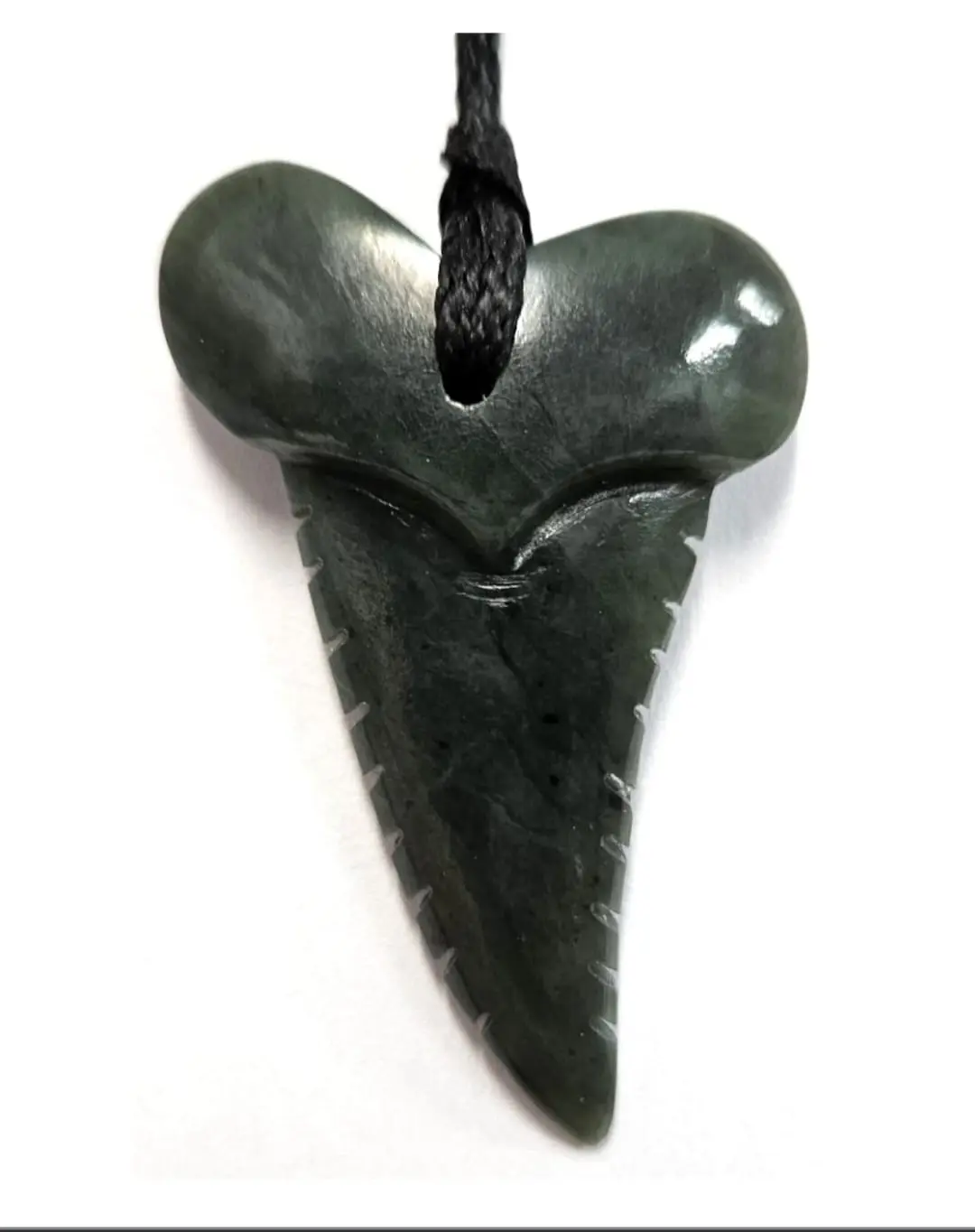
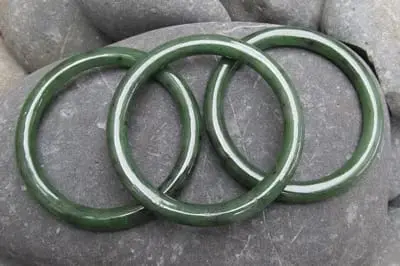
Hearts, shark teeth, rings and bangles are modern designs, chosen for their look and for the person. Browse every piece in our pounamu collection.
Good to know
Questions people ask
What does the koru mean?
The koru is based on the unfurling fern frond and is a symbol of creation in Māori art. Its circular shape conveys perpetual movement and its inward coil a return to the origin: life both changing and staying the same (Te Ara). It's often linked with new life and growth.
What does a toki pendant mean?
The toki was the adze that built canoes and houses, and the ceremonial toki poutangata was carried by chiefs as a symbol of authority (Te Ara). A toki pendant is often chosen for strength and achievement.
Is greenstone the same as pounamu?
Yes. Pounamu, greenstone and New Zealand jade are names for the same stone. Pounamu is the traditional Māori name, and it's found only in the South Island (Te Ara).
What are the types of pounamu?
Māori recognised four main types by colour and translucence: kawakawa, kahurangi, īnanga and tangiwai (Te Ara).
Sources
- Te Ara: Pounamu – several names
- Te Ara: Pounamu – the origins of pounamu
- Te Ara: Pounamu – implements and adornment
- Te Ara: Pounamu – symbols of chieftainship
- Te Ara: Pounamu – modern stone work
- Te Ara: Pounamu – pounamu and peace-making
- Te Ara: The koru
- Te Ara: Hei matau neck pendant
- Te Papa: hei matau (collection)
- Te Ara (1966): Māori art – manaia